
There's a particular kind of overwhelm that hits when the engagement excitement settles and the actual planning begins. Suddenly, the wedding dress — that one garment carrying more emotional weight than anything else in the entire event — needs to be found, fitted, and finalized. And if the wedding is happening in Las Vegas, or the bride simply lives there, the city's reputation tends to create a strange mental shortcut: flashy, fast, maybe a little over the top.
That assumption deserves a serious correction. The bridal stores Las Vegas has cultivated over the past decade range from intimate couture boutiques to expansive showrooms carrying dozens of designer collections — and the shopping experience, when approached correctly, can be genuinely extraordinary. Vegas isn't just a backdrop for elopements anymore. It's become a legitimate bridal destination.
Why Las Vegas Has Quietly Become a Serious Bridal Market
The city draws millions of visitors annually, yes. But it also has a permanent, growing residential population — one that shops, plans weddings, and demands the kind of quality retail that follows affluence and taste. The bridal market here has responded accordingly.
What's interesting is how the boutique culture has evolved alongside the casino-adjacent wedding chapels. These two things coexist but don't overlap much. A bride planning a formal ceremony at one of Las Vegas's stunning resort venues — and there are many — isn't shopping at a drive-through chapel gift shop. She's looking for the same caliber of gown she'd find in New York or Chicago. And increasingly, she can find it locally without the cross-country trip.

The Appointment Experience: What Most Brides Don't Prepare For
First-time bridal shoppers often underestimate how physically and emotionally taxing the process is. Three boutiques in a single Saturday sounds manageable. By boutique two, decision fatigue is real, opinions are multiplying, and the gown that felt perfect at 10am is competing with seventeen others in memory.
Smart bridal consultants in Las Vegas know this. The better shops limit appointments, allot generous time windows — usually 60 to 90 minutes — and actively guide brides away from trying on 30 dresses. There's a skill to narrowing a silhouette, understanding what a bride actually responds to versus what she thinks she wants. A good consultant does that reading instinctively.
Bring a small, trusted group. Two people is often ideal. Five is almost always too many. Everyone has opinions; not all of them are useful, and some actively pull a bride away from a dress that genuinely suits her in favor of something more conventionally "safe."
Understanding Silhouettes Before Stepping Inside
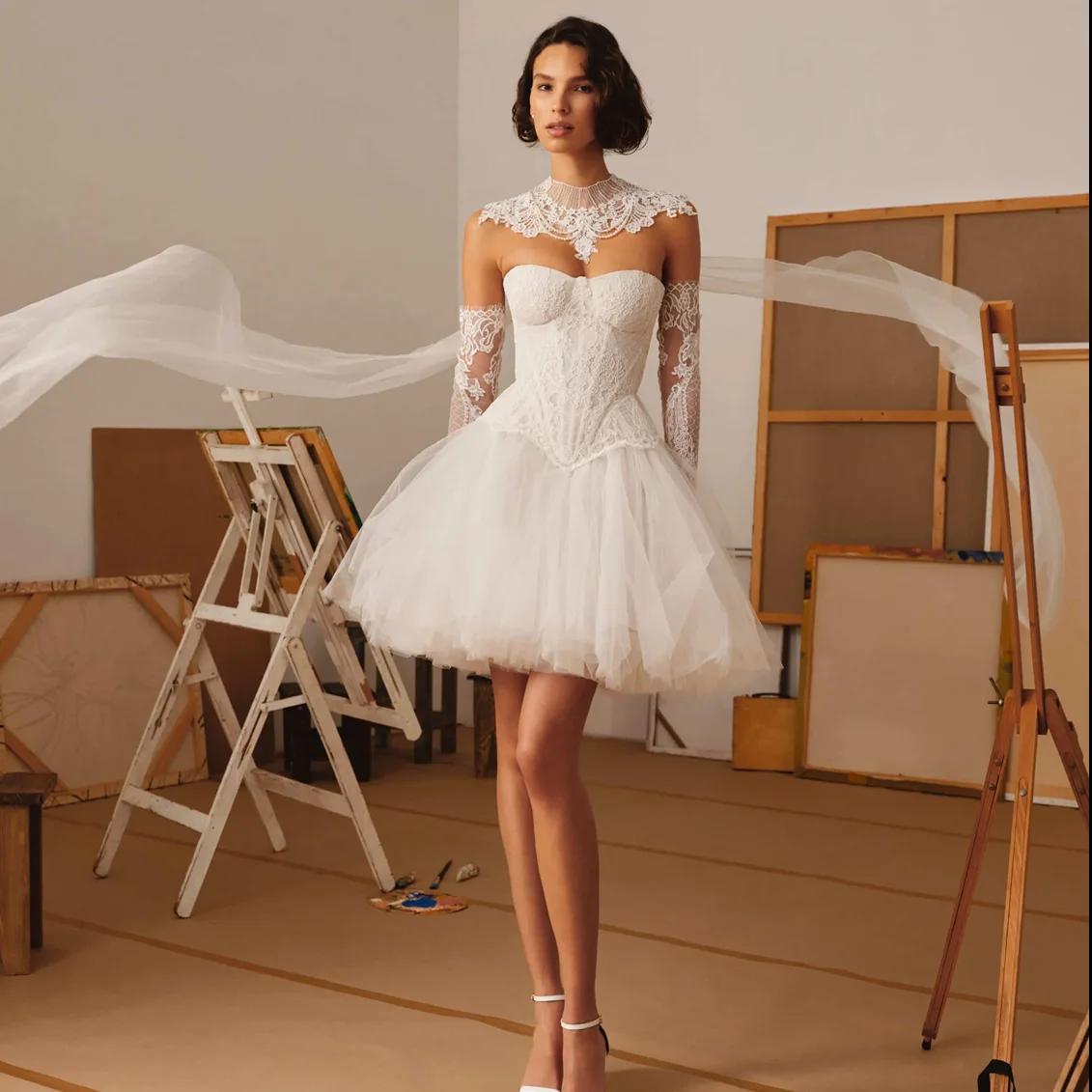
This sounds like prep-school homework, but knowing basic silhouette vocabulary before the first appointment saves time and frustration for everyone involved. Ball gown. A-line. Fit-and-flare. Sheath. Column. Trumpet. These aren't arbitrary categories — they interact differently with different body shapes, venue styles, and personal movement preferences.
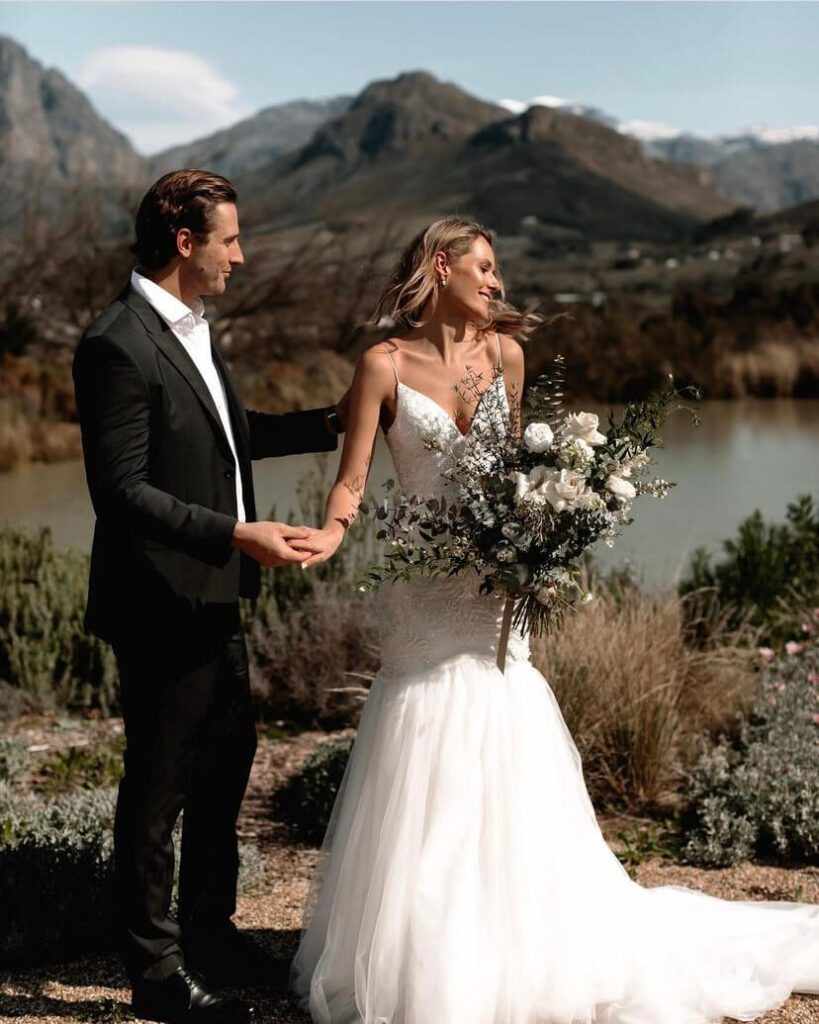
A fit-and-flare on someone who hates feeling restricted below the knee will be beautiful and miserable. A ballgown in a modern minimalist venue can feel costume-like. The dress has to work on multiple levels simultaneously — aesthetics, comfort, appropriateness for the setting. Las Vegas wedding venues run the gamut from black-tie ballrooms to desert outdoor ceremonies, and that range matters when choosing a silhouette.
What Separates a Good Boutique from a Great One
Access to beautiful gowns is table stakes. Any boutique worth visiting in a city like Las Vegas will have that. What distinguishes genuinely exceptional bridal shops is harder to quantify but easier to feel within the first ten minutes of an appointment.
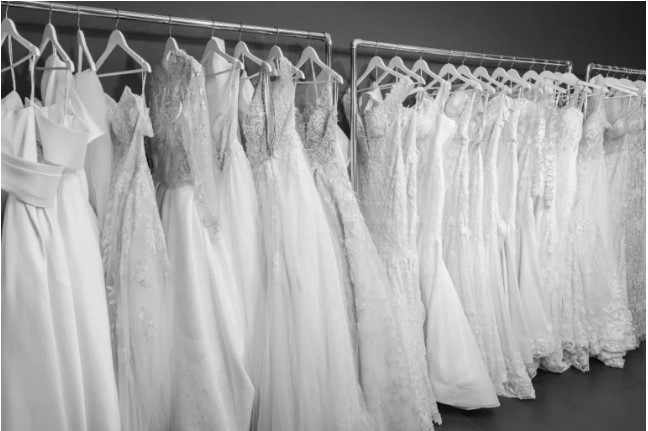
It's the consultant who listens before suggesting. The shop that carries a thoughtfully curated range rather than cramming every available SKU onto racks. The fitting room environment — lighting that's honest but flattering, space to actually move, a platform that lets the bride see the gown at the right length. The absence of pressure. That last one matters enormously. A boutique that creates urgency around "limited stock" or uses high-pressure closing tactics is one to walk out of, regardless of how beautiful the inventory is.
Alterations also deserve serious attention. A gown that fits a sample size perfectly is rare. Most brides need alterations — sometimes significant ones. Whether the boutique has in-house tailoring, how experienced those tailors are, and how they communicate timelines are all worth asking about directly before committing.
Designer Collections and What They Signal
Las Vegas boutiques vary considerably in the designers they carry. Some focus on accessible mid-range lines. Others carry trunk show exclusives from European houses. Neither is inherently superior — it depends on budget, timeline, and what the bride is drawn to aesthetically.
One useful pattern: boutiques that carry multiple collections from a single designer tend to have deeper expertise in fitting that brand. When a shop sells a wide range of lines without particular depth in any of them, the consultants may know less about how specific fabrics and cuts behave through alterations and wear.
The Value of Boutiques With Local Reputation
Word of mouth in Las Vegas bridal circles carries significant weight. Brides talk to other brides. A shop that has dressed hundreds of local weddings builds a reputation that's harder to fake than a well-designed website. Viero Bridal Las Vegas is one name that consistently surfaces in those conversations — known for its curated designer selection and the kind of appointment experience that doesn't feel rushed or transactional.
Researching a boutique's actual reviews — not just star ratings, but the substance of what brides describe — is worth doing carefully before booking. Patterns emerge fast. Consistent praise for a specific consultant, or recurring complaints about communication, tells you more than any marketing copy.

Timing: The Window Most Brides Miscalculate
Ordering a bridal gown is not the same as buying a dress off a rack. Most designer gowns require four to six months for production, followed by several weeks of alterations. That means a bride with a June wedding should ideally be ordering by November or December at the latest — earlier if she's considering a heavily embellished or custom design.
Las Vegas boutiques accommodate rush orders when possible, and some carry off-the-rack options for brides with tighter timelines. But banking on that availability is a gamble. Starting early isn't just logistically smart — it also removes the pressure that makes the experience feel stressful rather than celebratory.
The dress matters. The process of finding it can matter just as much. Done right, in the right shop, with the right people alongside, it's one of the parts of wedding planning that brides actually look back on with warmth.




Write a comment ...